Protect Your Cargo and Your Reputation With Regular Trailer Washouts
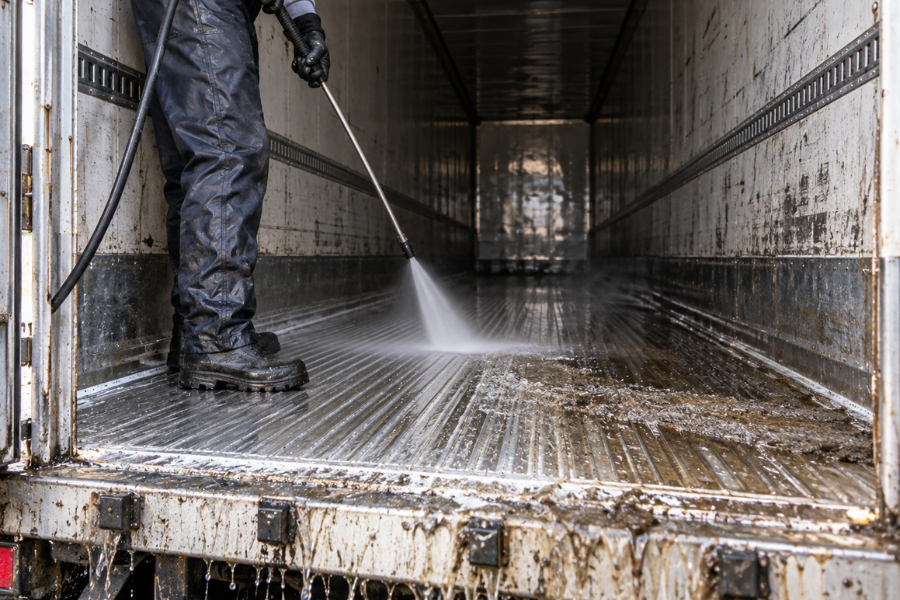
A trailer may look ready for its next load from the outside, but what remains inside can tell a very different story.
Dust, dirt, moisture, food residue, animal waste, packaging debris, odors, and traces of previous cargo can all create problems. These contaminants may affect the next shipment, slow down loading, lead to rejected freight, or leave customers questioning how seriously a carrier takes cleanliness.
At The Truck Wash, we help commercial drivers, owner-operators, fleet managers, livestock haulers, and refrigerated-trailer operators keep their equipment prepared for the road. Our professional trailer washouts remove the residue that ordinary exterior cleaning cannot reach.
Regular washouts protect more than the trailer itself. They help protect the cargo, the people handling it, and the reputation attached to every load.
Why Regular Trailer Washouts Matter
Every trailer carries more than freight. It carries the name of the driver, carrier, fleet, broker, and customer connected to that shipment.
When a trailer arrives dirty, stained, or filled with debris, the condition may create doubts before anyone begins unloading. A clean trailer sends the opposite message. It shows that the equipment has been maintained and that the load has been handled with care.
Our professional trailer washouts in Idaho Falls help prepare trailers for changing loads and demanding schedules. Drivers moving through Eastern Idaho can visit The Truck Wash for cleaning services designed around commercial vehicles and the realities of the transportation industry.
A regular washout schedule can help:
Reduce the risk of cross-contamination
Remove debris from previous loads
Control lingering odors
Improve trailer appearance
Prepare equipment for inspection
Protect sensitive cargo
Support customer confidence
Make loading and unloading easier
Exterior cleaning matters too. Our approach to truck and trailer washing helps customers maintain both the visible surfaces and the working areas of their equipment.
A clean trailer is not merely a cosmetic preference. It is part of responsible freight handling.
Previous Cargo Can Affect the Next Load
Residue does not always disappear when cargo is removed.
Loose material can collect along the walls, corners, seams, doors, and flooring. Liquids may seep into grooves or remain beneath pallets. Dust can spread throughout the trailer during transit. Strong odors can linger long after the original freight has been delivered.
These conditions become especially concerning when a trailer carries several different types of freight.
A dry van that carried construction materials may later be assigned packaged products. A refrigerated trailer may move between produce, dairy products, meat, or other temperature-sensitive goods. A livestock trailer may need extensive cleaning before its next trip.
Without a thorough washout, remnants from one load can come into contact with the next.
Professional washouts help remove:
Dirt and road debris
Wood fragments and broken pallets
Packaging scraps
Produce residue
Grease and oily buildup
Mud and standing water
Animal waste
Loose feed or bedding
Dust and powder
Odor-producing material
The exact cleaning needs depend on the trailer and its cargo history. Our team evaluates the condition and provides the level of cleaning necessary to get the equipment ready for its next assignment.
Clean Trailers Help Protect Cargo Quality
Cargo can be valuable, fragile, perishable, or highly sensitive to its surroundings.
A small amount of moisture may damage cardboard cartons. Dirt and dust may settle onto exposed goods. Odors can transfer to packaging or products. Organic material can attract insects or contribute to unpleasant conditions inside the trailer.
These risks can affect more than the shipment’s appearance. They may result in damaged products, claims, delays, customer complaints, or rejected loads.
Regular trailer washouts create a cleaner starting point for every trip. They help carriers reduce avoidable exposure to contaminants before new freight is loaded.
This is particularly important for trailers carrying:
Food and beverages
Agricultural products
Refrigerated or frozen goods
Livestock
Animal feed
Packaged consumer products
Medical or sensitive materials
Freight that absorbs odors
Products vulnerable to moisture
A professional washout cannot control every risk encountered during transportation. It can, however, remove contamination left behind inside the trailer before the next load begins.
That preparation matters.
Washouts Support a Strong Professional Reputation
Customers remember the condition of the equipment that arrives at their facility.
A clean trailer communicates professionalism before the driver says a word. It tells shippers and receivers that the carrier pays attention to details and respects the freight placed in its care.
A dirty trailer can have the opposite effect.
Even when the cargo is undamaged, stained walls, unpleasant odors, leftover debris, or unsanitary floors may create concerns. A customer may request additional cleaning, delay loading, refuse the trailer, or reconsider using the same carrier in the future.
Those situations can cost time and money. They may also affect relationships that took years to build.
Consistent washouts help fleet operators create a dependable standard across their equipment. Instead of deciding whether a trailer looks “clean enough,” professional service helps ensure each unit is prepared before it reaches the next customer.
For an owner-operator, the trailer’s condition reflects directly on the business. For a large fleet, it becomes part of the company’s brand.
In either case, cleanliness shapes perception.
A Rejected Trailer Can Disrupt the Entire Schedule
Few things create frustration faster than arriving for a load and being told the trailer is not acceptable.
A rejected trailer may need to leave the facility, find a washout location, wait for service, and return for another inspection. During that time, appointment windows may close, driver hours may be consumed, and the next delivery may fall behind.
The effects can spread through the rest of the route.
A delay at pickup may create:
Missed delivery windows
Detention time
Rescheduling fees
Additional fuel use
Lost driving hours
Disrupted dispatch plans
Reduced customer satisfaction
Difficulty securing future loads
Regular washouts reduce the likelihood of arriving with obvious residue, odors, or debris from the previous shipment.
The goal is simple. We help drivers show up ready.
Refrigerated Trailers Require Special Attention
Refrigerated trailers operate under demanding conditions.
Temperature changes can create moisture, while food products and organic materials may leave residue behind. Grooved floors, corners, drain areas, walls, and refrigeration components can collect dirt that is not always noticeable during a quick visual check.
Odors can also remain trapped inside an enclosed refrigerated trailer.
Professional washouts help clear away the remains of previous loads and prepare the interior for the next shipment. This is especially useful when moving between products with different handling needs.
A clean refrigerated trailer may help support:
Better cargo presentation
Odor control
Cleaner flooring and walls
Reduced residue between loads
Easier inspections
Greater confidence at loading facilities
Because refrigerated freight often moves on tight schedules, dependable washout access is important. Our 24/7 washout service gives drivers an option when trailer-cleaning needs do not fit neatly within ordinary business hours.
Livestock Trailers Need Thorough Cleaning
Livestock hauling creates a different set of cleaning challenges.
Mud, manure, feed, bedding, hair, and moisture can accumulate quickly. These materials may harden onto flooring, walls, gates, and corners when they are not removed promptly.
A professional livestock trailer washout helps clear away heavy organic buildup and prepare the equipment for future use.
Regular cleaning can also improve working conditions for drivers and handlers. Removing accumulated waste reduces strong odors and makes it easier to inspect the trailer’s interior for damage or maintenance concerns.
Livestock trailers are built for hard work. Their cleaning routine should match the demands placed on them.
Washouts Make Trailer Inspections Easier
Dirt can hide more than stains.
Heavy residue may cover cracks, damaged flooring, loose fasteners, corrosion, punctures, or other concerns inside a trailer. When surfaces are clean, drivers and fleet teams can see the equipment more clearly.
This does not replace a formal inspection or professional repair. It creates better conditions for noticing visible problems.
A clean trailer can make it easier to identify:
Flooring damage
Cracks or gaps
Water intrusion
Corrosion
Damaged walls
Loose hardware
Broken seals
Drainage problems
Areas requiring maintenance
The same principle applies to the rest of the vehicle. Services such as engine wash, degreasing, and exterior washing can remove buildup that makes equipment harder to evaluate.
For vehicles with heavy grease accumulation, our information about degreasing explains how targeted cleaning can support visibility and equipment care.
Professional Equipment Produces More Consistent Results
Commercial trailers are too large and too important for incomplete cleaning.
Professional washout facilities are designed to handle oversized equipment, stubborn residue, difficult corners, and high-volume commercial needs. Our team has the space, equipment, cleaning products, and experience to work with trailers that ordinary vehicle washes cannot accommodate.
Professional service also creates a more consistent process.
Drivers do not have to rely on whatever tools happen to be available at a loading facility, fuel stop, or yard. They can bring the trailer to a team that handles commercial vehicle cleaning every day.
That experience helps us recognize areas commonly missed during rushed cleaning, including:
Door tracks
Floor grooves
Rear corners
Wall seams
Drain areas
Around gates and dividers
Beneath remaining debris
Areas affected by spills or leaks
We focus on the condition of the entire trailer, not only the easiest surfaces to reach.
Exterior Cleaning Protects the Full Professional Image
The trailer interior protects the load, but the exterior represents the company on every mile of the route.
Road salt, bugs, mud, oil, grime, and weather-related buildup can leave commercial equipment looking neglected. Over time, contaminants may also affect metal surfaces, trim, finishes, and accessories.
Our washing services address both cleanliness and presentation. We use a careful approach that helps large vehicles look professional without treating them like ordinary passenger cars.
Our discussion of hand washing explains why hands-on attention can be valuable for trucks, RVs, and other large vehicles.
Customers can also ask about aluminum trailer and accessory brightening when oxidation or dullness affects exposed aluminum surfaces.
A clean interior helps protect the cargo. A clean exterior helps protect the image attached to it.
Detailing Creates a Better Working Environment
Drivers spend countless hours in and around their trucks.
A clean cab and well-maintained exterior can make long days more comfortable while supporting a polished appearance at customer locations. Our truck detailing services address interior and exterior surfaces beyond a standard wash.
Detailing may include vacuuming, surface cleaning, seat care, window cleaning, exterior finishing, tire cleaning, and engine-bay attention.
Customers waiting during service can also use our drivers lounge. The space gives drivers a comfortable place to take a break, connect to Wi-Fi, and prepare for the next part of the route.
We also carry Bullsnot truck care products and Chippewa air fresheners to help support a cleaner, fresher cab between professional services.
Regular Service Helps Fleets Maintain Consistent Standards
Fleet cleanliness becomes harder to manage as the number of vehicles grows.
Different drivers may have different ideas about when a trailer needs attention. One unit may be washed regularly while another continues working until buildup becomes obvious. That inconsistency can affect customer impressions and make maintenance planning more difficult.
A regular professional cleaning schedule creates a clear standard.
Fleet managers can arrange service based on:
Trailer type
Cargo type
Route conditions
Seasonal weather
Mileage
Customer requirements
Frequency of loading
Livestock or refrigerated use
Visible contamination
The right schedule will vary from one operation to another. What matters is avoiding a purely reactive approach.
Waiting until a trailer is refused, smells unpleasant, or contains visible residue places the business at a disadvantage. Consistent service keeps cleaning connected to normal fleet operations.
Large-Vehicle Cleaning Goes Beyond Commercial Trailers
Our facility is built to accommodate more than semi-trucks and freight trailers.
We also serve RV owners, motor coach operators, tour bus companies, boat owners, and customers with other oversized vehicles. These vehicles face many of the same cleaning challenges, including road grime, insects, moisture, interior spills, odors, and difficult-to-reach exterior surfaces.
Our RV/motor coach and tour bus washing services help owners and operators prepare large vehicles for trips, passengers, events, or seasonal storage.
Regardless of the vehicle type, our goal remains the same. We provide professional cleaning that protects the customer’s investment and helps the vehicle look ready for what comes next.
Protect Every Load Before It Leaves Idaho Falls
The condition of a trailer can affect the cargo, the schedule, the customer relationship, and the carrier’s reputation.
Regular trailer washouts remove residue from previous loads, reduce contamination concerns, control odors, support inspections, and create a cleaner environment for new freight. They also help drivers arrive at loading facilities with confidence rather than wondering whether the trailer will be accepted.
At The Truck Wash, we understand that commercial equipment needs more than a quick rinse. Our team provides professional trailer washouts, truck and trailer washing, detailing, degreasing, engine cleaning, certified weighing, and related services for drivers and fleets traveling through Idaho Falls and Southeast Idaho.
Protect the next load before it enters the trailer. Contact our team to arrange a professional washout and keep your equipment, cargo, and reputation ready for the road.
Related Questions
Can a trailer be washed out while it is still loaded?
No. The trailer should be empty so our team can access the flooring, walls, corners, doors, and other interior surfaces that need cleaning.
Do trailer washouts remove every odor?
Professional cleaning can significantly reduce odors by removing the material causing them. Some odors may require additional treatment depending on the cargo and trailer condition.
Should a trailer be inspected after a washout?
A visual inspection is helpful after cleaning because clean surfaces make flooring damage, leaks, corrosion, and other visible concerns easier to notice.
Can washout water freeze during cold Idaho weather?
Cold conditions can affect washout operations and drying. Drivers should call ahead during severe winter weather to confirm availability and discuss current conditions.